When I was a kid, I was paid in cash at the end of the week with my first few part-time jobs. There were no taxes, social security, or insurance deductions; just the number of hours worked times my hourly rate equaled what I got. My starting pay at Sadie’s Grocery Store was fifteen cents per hour plus any tips I got from taking grocery bags to customers’ cars. No tips paid for stocking the shelves. I received a raise of twenty-five cents when I was promoted to the produce area. During junior high, I worked after school and on Saturdays.
I worked at other grocery stores and several service stations, earning a little more money while still being paid in cash, until I worked at Henke & Pillot Grocery during my high school years. The store was located on OST on the other side of town. Junior Golden lived down the street from me and got me the interview there. I managed the Cigarette/Cigar counter, which also sold candy and various other items. They needed someone who was good with math and could count change, because the cash registers only provided the total sale amount. Cartons of cigarettes were the most sold and the highest priced. At store close time, I had to close out the register by printing the total sale amount for my shift and balancing the amount of money in the cash register to the sale amount, to the penny. I was 16-17 years old, driving across town and paid every two weeks by check with taxes withheld, I realized the higher hourly rate did not equate to a lot more spending money after paying for gasoline and my driving time.
My first full-time job (40 hours/week) was a summer job after graduating from high school. I worked in a machine shop doing check-valve assembly & testing. I was paid $1 per hour to work in a hot metal building at 100 degrees. There, I learned I did not want that as a career. I was paid weekly by check with taxes and social security withheld. I save enough for college tuition and the cost of my books for the first semester.
I worked part-time jobs while attending my first year at the University of Houston, working on days when my class schedule was lighter. Most of my income came from major car tune-ups and repairs at service centers. The majority of the work was priced on a per-project basis.
In June 1962, I went to work at Gulf Oil, thinking that it would be my summer job then I would go back to U of H full time in September. My starting salary was $230 per month, paid semi-monthly by check with taxes and social security withheld. My paydays were the 15th and the last day of the month. The Texas Commerce Bank was in the Lobby of the Gulf Building, and there were many tellers along one whole wall, because most businesses were downtown and paid their employees on the same schedule. I would go down to the bank and get in one of the lines and wait to cash my check. I had opened a checking account there, and I would deposit any amount I did not think I would need in the next two weeks and get the rest in cash. Credit or debit cards did not exist back then, and the oil companies like Gulf, Texaco, and Humble were some of the first companies to offer their “credit” cards that could be used at their stations. For things like tires and batteries, you could spread the payments over a few months.
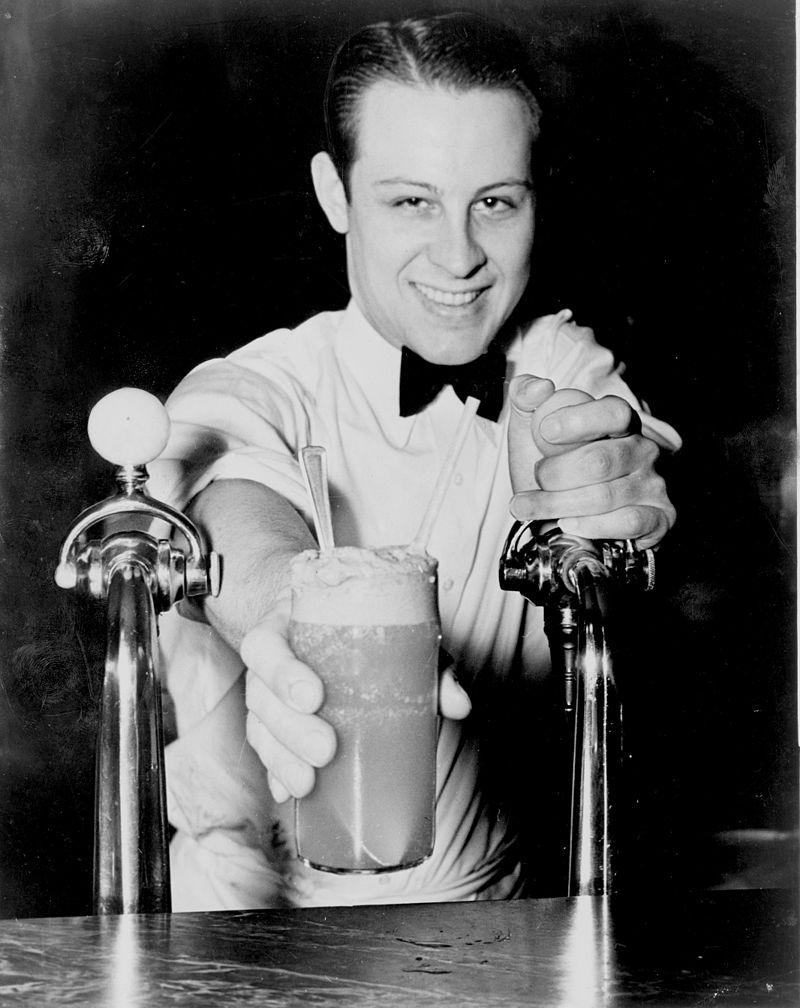
Even back then, parking downtown was a problem. There were surface parking lots and some parking garages in most areas; however, cost was the issue. There were some places where you might find a place to park for free on a street that was several blocks away from the office. There were lots that charged 50 cents per day that were several blocks away, and some for 75 cents, and others for a dollar or more. Several parking garages offered monthly rates, and some provided discounts for employees of specific companies. There were always lots of people parking in the cheaper lots and walking several blocks to their office. $10-$15 per month was a significant amount when your paycheck had to cover housing, car, utilities, clothing, and food. Sack lunches were common for most employees. The lunch counters at Woolworth’s, Kress, and others downtown would be busy on pay days. Prices for sandwiches at Woolworth’s were .30 to .65, depending on your selection. A three-decker bacon and tomato sandwich was .50, milkshakes were .25, and a slice of apple pie or cake for .15. Also, there was no sales tax then.
Around Christmas, the sidewalks would be packed with people going to Foley’s or other stores during lunchtime to get in some of their shopping. Those who had more time might take a bus to Sears, which was further south of where I worked. Back then, the businesses decorated their buildings at Christmas. The Texas Bank of Commerce decorated the Lobby and had an employee choir that performed Christmas music each year. My sister, Joyce, was in that choir during the years she worked there. One of the TV stations would show one of those performances each year. Joyce loved being involved.
Employee dress codes were a lot different in those days, and employees did not try to create their own dress code. Employees could be fired for any reason, and there was no shortage of people willing to fill their positions.
When Eva and I got married in March 1964, my salary was about $350, and Eva’s was about $230 per month, and we did not have much in the bank. I had a car note, car insurance, and we were able to take Eva’s bed and dresser. We bought the other furniture we needed, the living room from Montgomery Ward’s, and the table and chairs from Western Auto. The refrigerator in the apartment was small, and the kitchen was small, so weekly grocery shopping had to be done every Saturday. No stores were open on Sundays. Our grocery budget was $20 per week. I remember paying Sears around $300 to install an under-dash air conditioner in our 1964 Valiant after having many days that summer around one hundred degrees and driving home from NASA in that heat each day.
Those were the days we call “the good old days.”
Statler Brothers – I’ve Had a Good Time
Discover more from RICHRAY BLOG
Subscribe to get the latest posts sent to your email.