It seems like multiple times a week, something happens that generates a request for prayer for someone or a group. We are asked to pause and pray after major events, such as storms, fires, or shootings. In some cases, someone might say, “All we have left is praying that God will bring the solution.” This article could be about why prayer should be our first action and not our last hope; however, today, there is another message that is heavy on my mind.
President Trump signed an Executive Order: “Ending Crime and Disorder on America’s Streets,” which has already created huge reactions from those who oppose everything he does. Before you accept as fact any opinion piece, you could read the actual EO yourself and think about its goal. I will include a link below to the actual order. Even before reading that, ask yourself this question: “How well is the current solution working, for our communities and for the individuals involved?”
Rather than me making a case for the points covered in the Executive Order or the various reasons/causes for people living in public spaces, including sidewalks, I believe the underlying cause is some form of mental illness left untreated. Most of us will suffer some form of depression during our lives for various reasons. It might begin with a loss of a job, a friend moving away, a relationship breakup, or the death of a loved one. The length of that depression can vary, but most of us will not require professional help or medication to get through those periods.
When the “depressed” person is under eighteen, the parents have legal rights to get the “child” professional help, but insurance plans have limits as to the coverage and treatments allowed, including co-pay amounts. Another issue is having that diagnosis on the medical record for life. It is not unusual to believe it is a phase they will grow out of in time. When it is clear, the child may hurt themselves by cutting or drinking alcohol or drug use, the parents may be faced with inpatient treatment that may require weeks if not months. Their portion of co-payments may be $30,000 or more for the first month, and their length of treatment is unknown.
If the child had outpatient treatments, those treatments had limits, and they did not allow parents in the room during the sessions. The professional could be an intern or a doctor, but they judged the progress based on how the patient responded to a series of questions within the hour. The notes from those sessions are provided to the insurance plan and are used for approvals for future treatments. Once the child turns eighteen, parental control ends.
If the adult patient agrees to inpatient treatments, then the issue of “available beds” can add another level of concern. For inpatient treatment, which means they must live at that location to have 24/7 access and treatment. All treatment facilities have patient limits based on beds and staffing. An “available bed” may be in a different city or even a different state. That could require travel expenses, including air fares for the patient and parents. When the initial period is nearing its end, the insurance percentage is lower, and the next check will be for a higher amount. The patient is homesick and wants to go home. The parents want to believe the sessions have resolved the mental issues, and home is where the rest of the healing can be done.
The first few weeks back home are like walking on eggshells, being supportive and careful not to overreact to anything. The patient is now aware of what is involved in inpatient treatments. There may be people with even more problems sleeping in the same room, and that is frightening. A person’s ability to control their actions and reactions for a period does not prove the issues have been resolved.
Depression brought on by severe trauma without good professional help can continue to grow more intense and, quite often, lead to alcohol and drugs. Those drugs can mask their problems for a while by making them high, but they just make the problems bigger. They must get high (the feeling that the problem is gone) to make the pain of reality go away. When the high is over, the reality of their circumstance is staring them in the face. They cannot hold a job because they must get high to get over the stress of working. They must work to have money to get high, and the vicious cycle continues until they can no longer get hired anywhere.
Many end up living on the street, and they do many things to get money to get high. They may eat scraps or get handouts to have something to eat, perhaps only once a day. Despite intentions to offer protection, certain state and federal laws have exacerbated the issue due to misguided decisions.
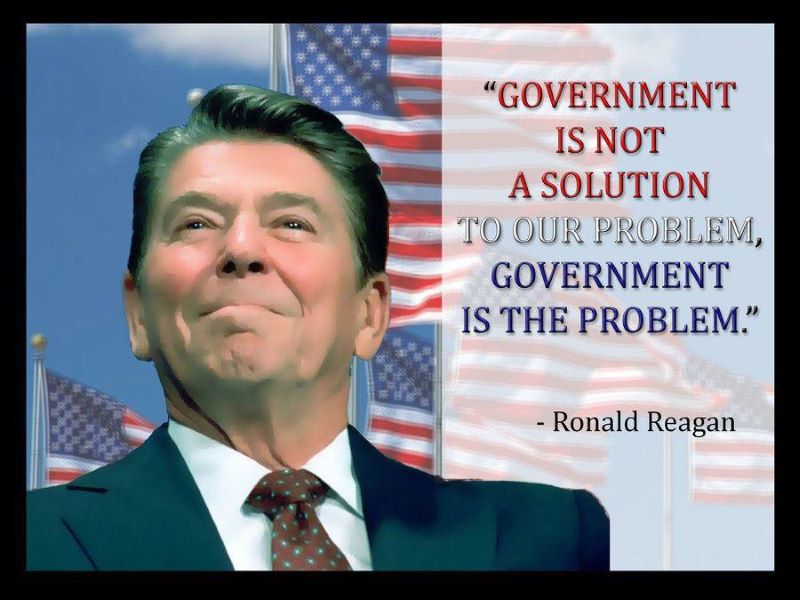
President Trump’s EO lays out the problem, provides a general plan for resolving the problem, but most of all, it starts an open discussion about the problem. We were told for four years that the border could not be resolved without action by Congress, and that would include making all those here illegally, legal. A solution is only implemented when an individual takes the initiative to address it directly and proactively.
Over the past few weeks, I saw a large hospital being torn down because new hospitals made it unsustainable. That hospital building could have provided hundreds of beds for patients with drug or other mental issues. I would bet money that not one drug addict has been healed by getting more drugs given to them on the street. Fighting mental illness is expensive, but the current solution is also expensive, and it is not working.
Insanity is doing the same thing over again and expecting a different result.
It is time to “Make America Healthy Again.”
Ending Crime and Disorder on America’s Streets – The White House
Discover more from RICHRAY BLOG
Subscribe to get the latest posts sent to your email.